Fascinator, cocktail hat, headpiece or hat: the difference and when to wear each
A fascinator is a lightweight decorative headpiece fixed to a comb, band or clip with no solid base. A cocktail hat is a small structured hat with a firm base that sits to one side of the head, while a headpiece is the umbrella term for anything worn on the head that reads as decoration rather than a full hat. A hat has a defined crown and often a brim, with a base wide enough to count as formal millinery for the grandest occasions.
The words get used interchangeably, so a bride or a race-goer can order the wrong thing for the day. Here is how a milliner draws the lines and picks the piece for your event, outfit and face.
Quick definitions at a glance
- Fascinator: a small ornament of feathers, flowers, sinamay or crystals on a band, comb or clip. Light, playful and easy to wear.
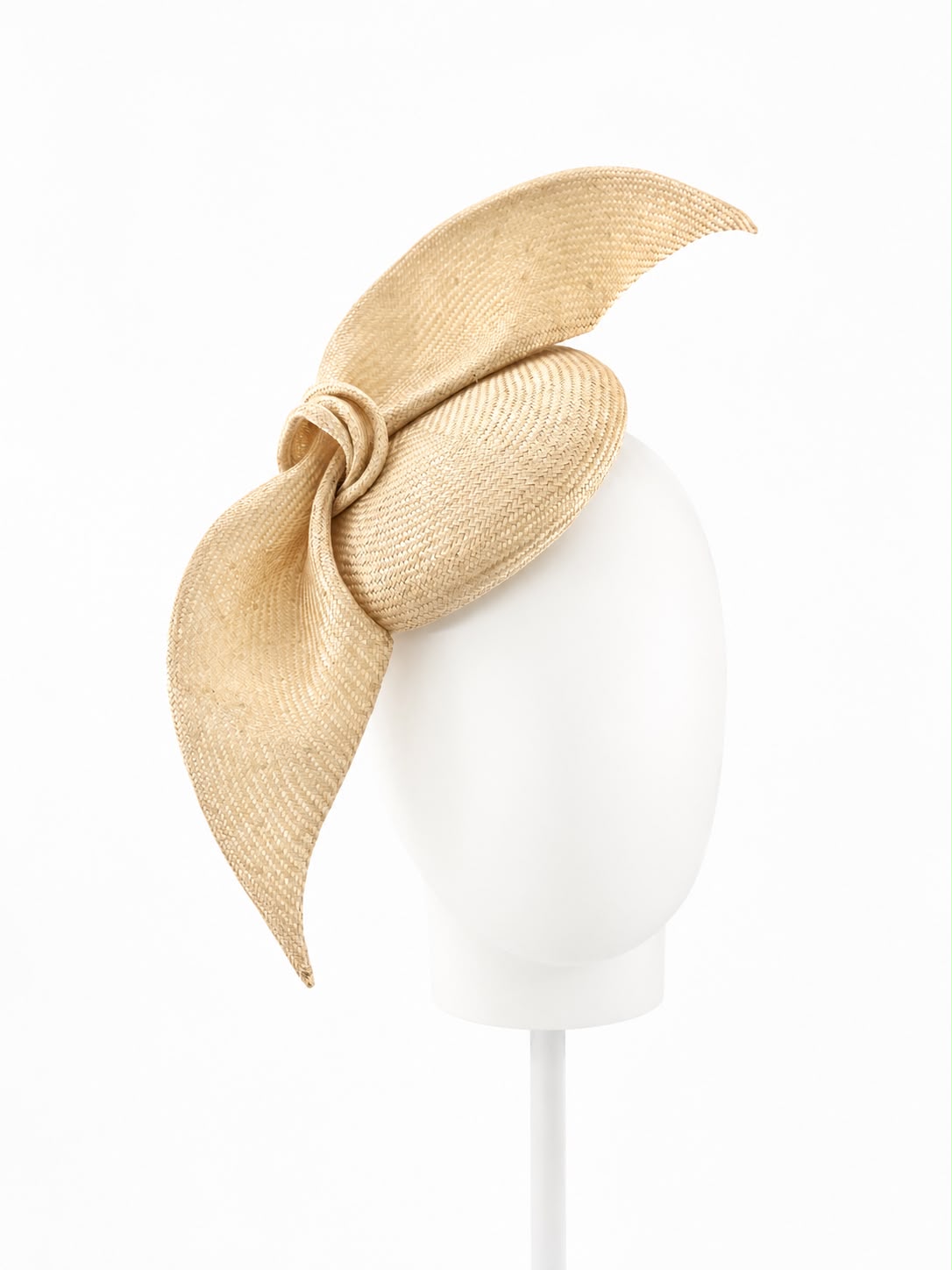
- Cocktail hat: a compact hat with a solid blocked base, tilted or perched, dressier than a fascinator and more sculptural.
- Headpiece: the broad family that covers fascinators, cocktail hats, headbands, combs and veiled pieces. Every fascinator is a headpiece. Not every headpiece is a fascinator.
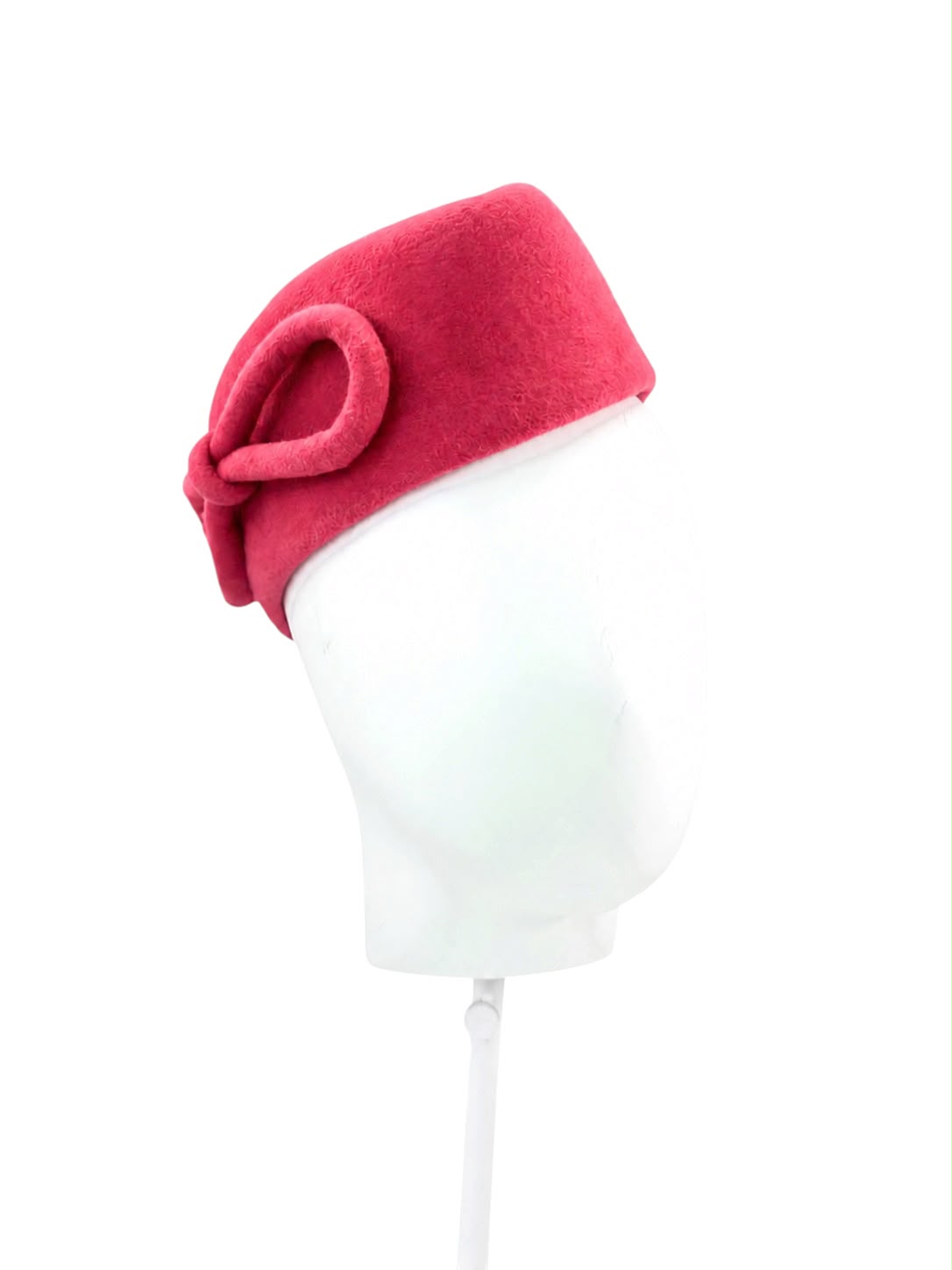
- Hat: a piece with a full crown and usually a brim, such as a pillbox, boater, fedora or wide-brim. The formal choice with real presence.
Fascinator, cocktail hat, headpiece, hat: how each differs
What is a fascinator
A fascinator sits on the hair rather than on the head. It has no crown and no solid base, so it feels weightless and fixes in place with a comb, an elastic loop or a clip. Materials tend toward feathers, silk flowers, wisps of sinamay, beading and crystal. Because it is light and small in scale, a fascinator flatters almost everyone and works with an updo or loose hair. It reads as pretty and modern, and it suits a guest who wants presence without the commitment of a full hat.
What is a cocktail hat
A cocktail hat is where millinery begins to take over. It has a small blocked base, so it holds a sculpted shape and sits with intention, often tilted over one brow or perched to the side. Think of it as the sophisticated older sister of the fascinator. The solid base gives more architecture to play with, so cocktail hats carry veiling, structured bows and dramatic sweeps of feather beautifully. They flatter strong features and photograph with real drama.
What is a headpiece
Headpiece is the term to reach for when you are unsure. It describes anything decorative worn on the head that is not a full-crowned hat, which means fascinators, cocktail hats, headbands, halo crowns and many veiled pieces all live under it. A padded or wrapped headband counts as a headpiece and has become a favourite for weddings and for the Royal Enclosure, since it gives a clean modern line and a secure fit. If a shop lists a piece simply as a headpiece, look at whether it has a solid base to know how formal it truly is.
What is a hat
A hat has a full crown and, in most cases, a brim. A pillbox is the exception with its neat brimless drum, and it remains one of the most elegant formal shapes ever made. Boaters, fedoras and wide-brims belong here too. A hat commands the most authority of any headwear, which is why it suits the mother of the bride, the grandest race days and any moment that asks for gravitas. As Philip Treacy put it,
"A hat is a flag, a shield, a bit of magic."
That magic is what a well-chosen hat gives you: a lift to the posture, a frame for the face and an air of occasion the moment you put it on.
When to wear each
Weddings
For a wedding guest, the dress code and the time of day guide you. A daytime church or garden wedding welcomes a fascinator, a cocktail hat or a headband, all of which stay elegant through a long day of standing and mingling. A formal wedding invites a hat with more structure. If you are the mother of the bride or groom, a hat or a substantial cocktail hat gives you the standing the role deserves and photographs beautifully beside the couple. Explore pieces made for the day across our wedding guest edit.
Race meetings and Royal Ascot
Race days are where the rules matter most, and Royal Ascot is stricter than any other. Browse shapes chosen for the season in our Royal Ascot 2027 collection, with the rule explained below.
Garden parties and summer occasions
Warm-weather events reward lighter shapes. A fascinator or a fine cocktail hat keeps you comfortable, while a wide-brim adds shade and a sweep of glamour. Here colour matters more than scale.
Evening and black-tie
Evenings belong to the cocktail hat and to veiled pieces. A small dramatic shape with a whisper of net over the eyes brings mystery and old-world polish to formal dress.
Royal Ascot and the 10cm rule
The Royal Enclosure at Ascot sets the clearest dress code in British millinery, and understanding it settles most fascinator questions in one line. Inside the Royal Enclosure a hat is required, or a headpiece with a solid base of at least 10cm in diameter. Fascinators are welcome elsewhere on the racecourse yet they are not permitted in the Royal Enclosure, because a fascinator has no solid base and so falls short of the rule.
This is why the cocktail hat and the blocked headpiece exist in the form they do. A well-made cocktail hat clears the 10cm base with room to spare while keeping the lightness and tilt that flatter. If your day includes the Royal Enclosure, choose a hat or a solid-based headpiece and keep the fascinator for the grandstand or a summer wedding.
How to choose the shape for you
Scale is the first question. A bolder outfit carries a hat or a substantial cocktail hat with ease, while a delicate frame or a busy print is flattered by a lighter fascinator or headband. Balance comes next. A high updo lifts a perched cocktail hat, and loose hair sits happily under a headband or a comb-fixed fascinator. Colour is the third, which a good milliner will match exactly to a swatch so the tone is true in daylight.
Every piece we make is hand-blocked in London and made as a one of one, in any colour matched from a photograph or a fabric swatch. If you would like a shape drawn entirely around your outfit and your features, our bespoke service takes one to four weeks and gives you a headpiece that exists nowhere else. UK delivery is £20.00, and worldwide shipping is fully insured.
Questions people ask
Is a fascinator the same as a headpiece?
A fascinator is one type of headpiece. Headpiece is the wider term that also covers cocktail hats, headbands and veiled pieces, so every fascinator is a headpiece while many headpieces are more structured than a fascinator.
Can I wear a fascinator to Royal Ascot?
You can wear a fascinator in most areas of the racecourse. The Royal Enclosure does not permit fascinators, because it requires a hat or a headpiece with a solid base of at least 10cm in diameter.
What is the difference between a fascinator and a cocktail hat?
A fascinator has no solid base and fixes to a comb or band, so it feels light and informal. A cocktail hat has a small blocked base and holds a sculpted shape, which reads as dressier and more architectural.
Which is right for the mother of the bride?
A hat or a substantial cocktail hat suits the mother of the bride, giving presence in photographs and a sense of occasion that matches the role. A fascinator can work for a relaxed summer wedding.
How far ahead should I order a bespoke piece?
Allow one to four weeks for bespoke so there is time to block, trim and colour-match your headpiece. For a ready-to-wear piece, a few weeks before the event gives room for any fit adjustment.
Find your piece
Tell us your event, your outfit and the shape you have in mind, and we will guide you to the headpiece that suits the day. Enquire about a piece or a bespoke commission and Monika will help you choose.
Shop the pieces
Every piece is designed and made by hand in the London atelier.