What to Wear to a Funeral
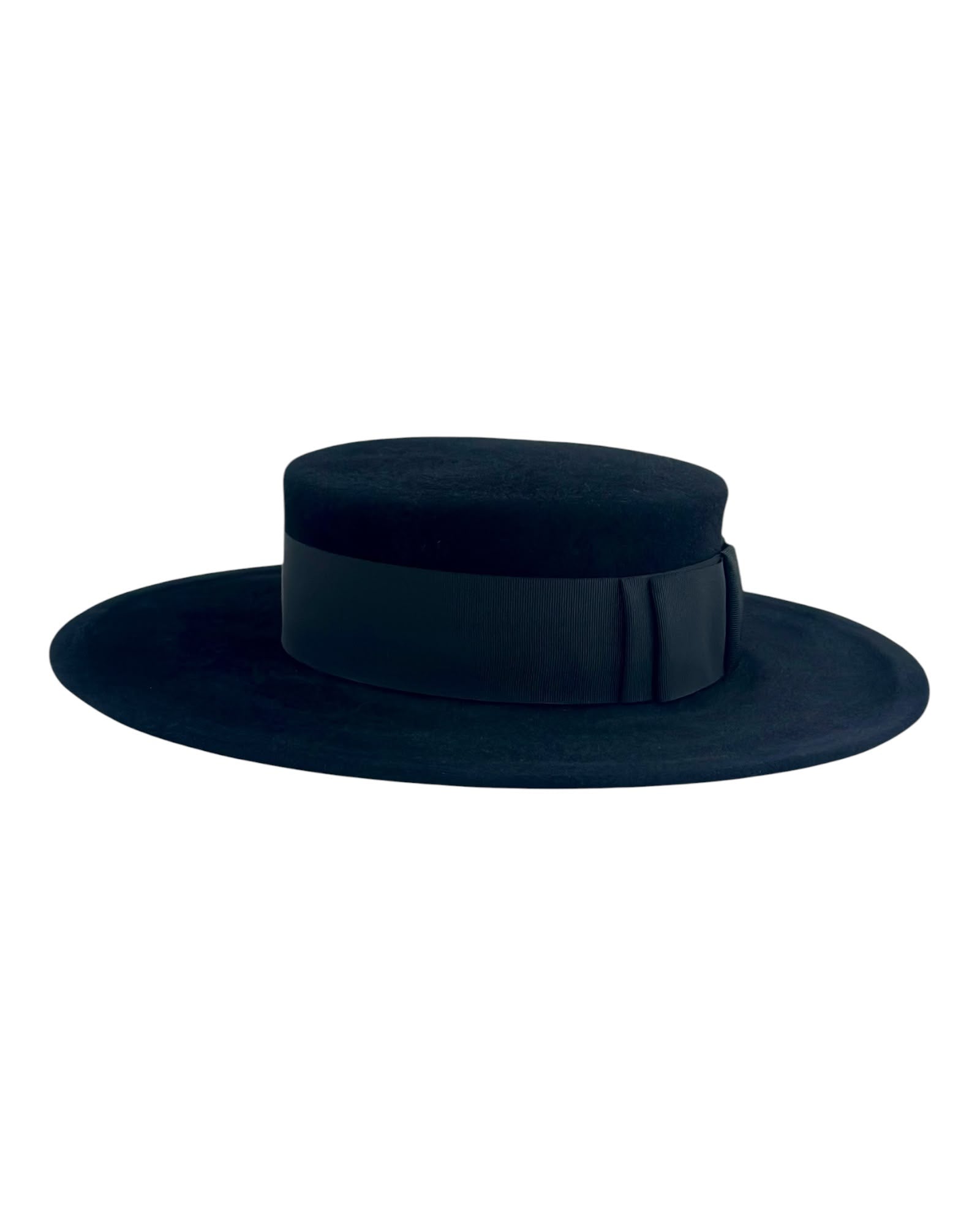
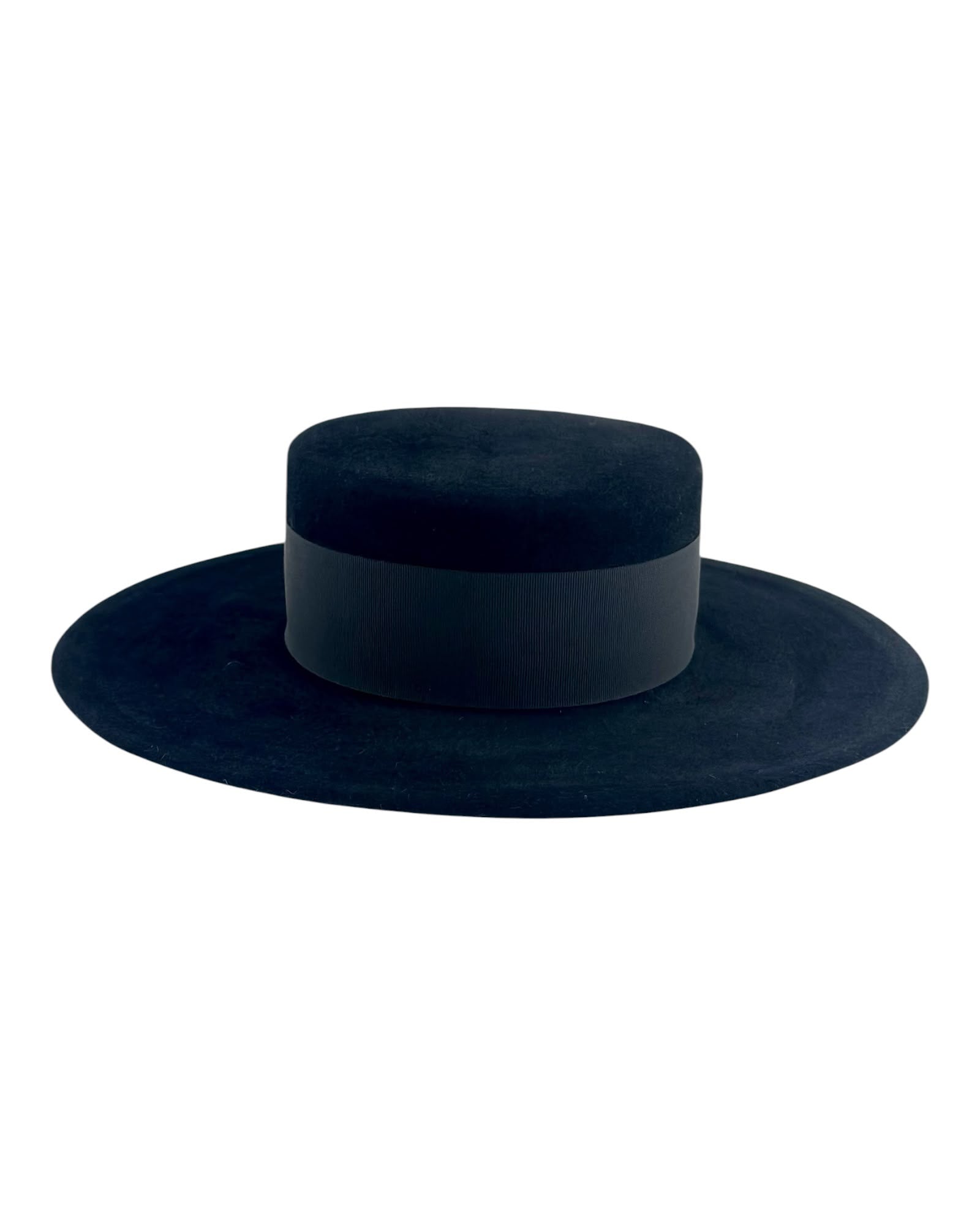
If there is a funeral this week, here is the short answer. A hat is not required at a British funeral and most people at the service will be bare-headed. If you do wear one, keep it dark, keep it plain and keep it small enough to sit in a pew without blocking the person behind you. Black is always right. So are navy, charcoal and deep burgundy.
Is a hat expected at a British funeral?
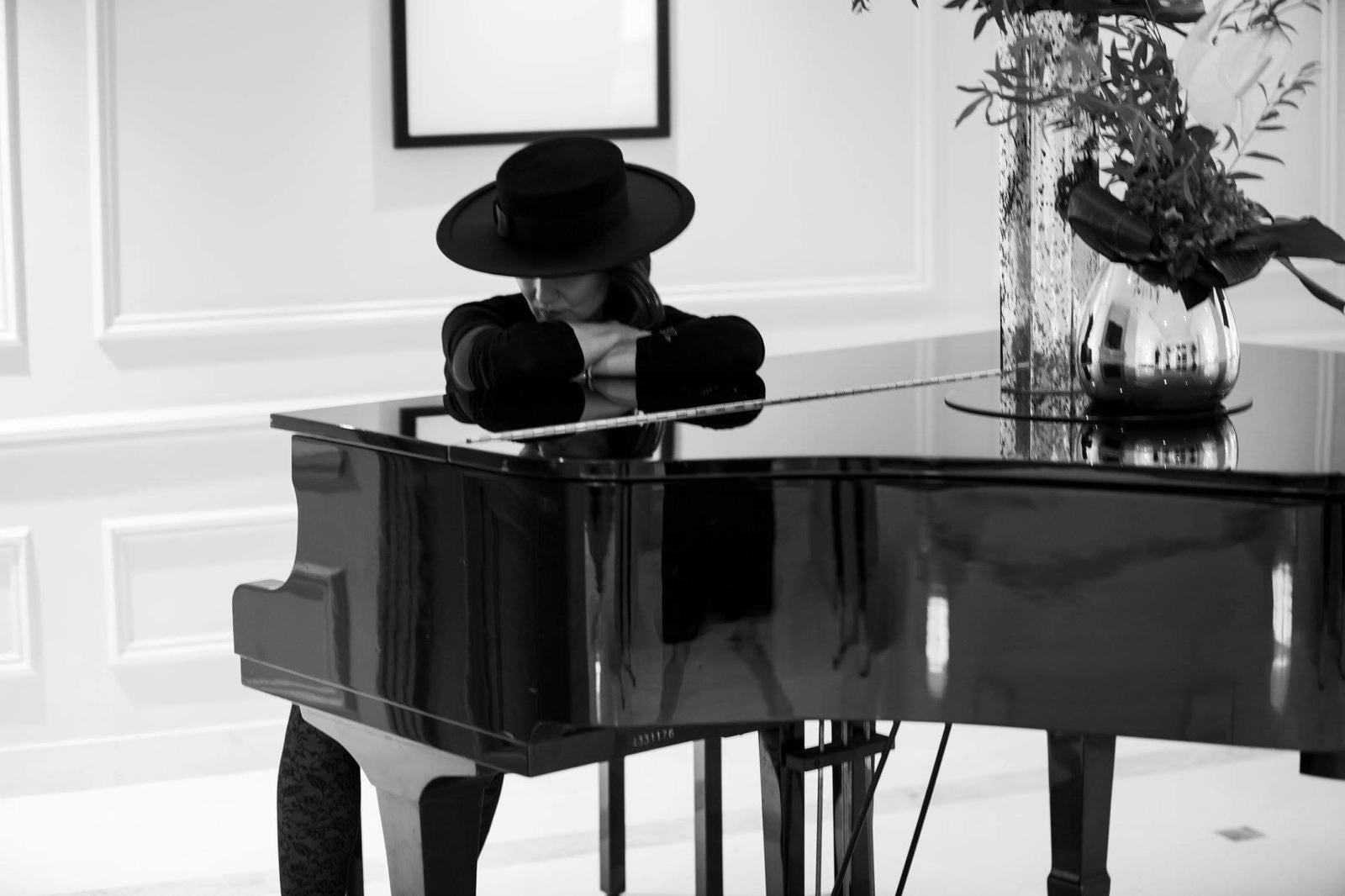
Not by rule, and nobody at the door is checking. You see hats most often on the family closest to the person who died and at traditional church services, less often at crematorium and humanist ones. Men remove a hat indoors and at the graveside. Women keep theirs on.
What black actually means now
Black is the default and the answer you cannot get wrong. Navy, charcoal, anthracite and deep burgundy are all accepted and read as respectful. Finish matters more than shade: matte felt and dull silk sit quietly, while shine, sequins and large florals pull the eye across a room. Read the death notice first, because families often ask for a particular colour.
Veils, and what wearing one signals
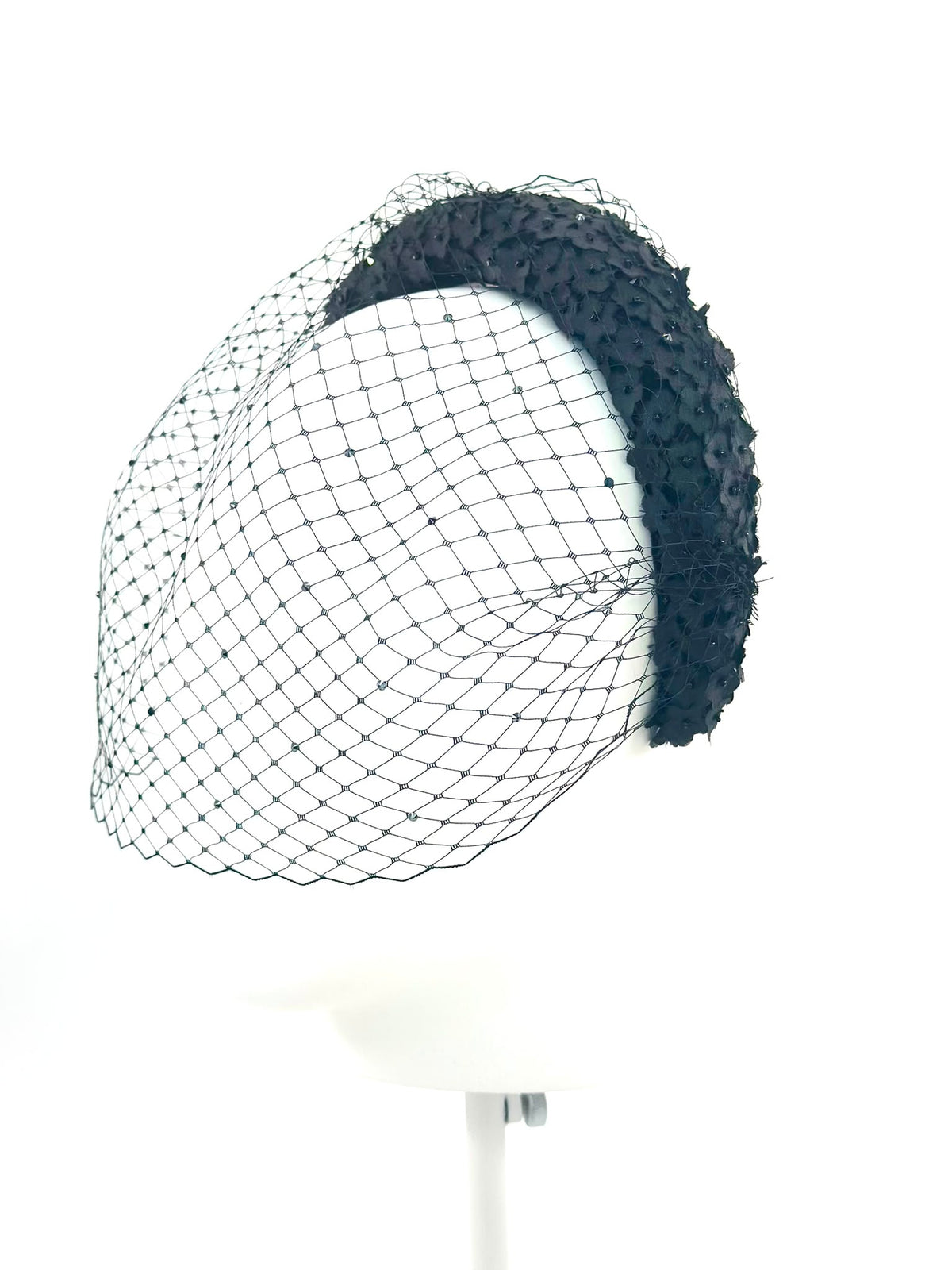
A short face veil, usually called a birdcage veil, is the shape asked for most here. In Victorian mourning the long crape veil was the widow's and the shorter face veil stayed with the closest women in the family. That reading survived. A black hat with a veil still says immediate family, so wearing one as a friend or a colleague can look like standing in a place that is not yours. If you are close family it is appropriate and useful, because there is a stretch of the day when you have no control over your face. The history is in the mourning veil.
A memorial or a celebration of life is a different brief
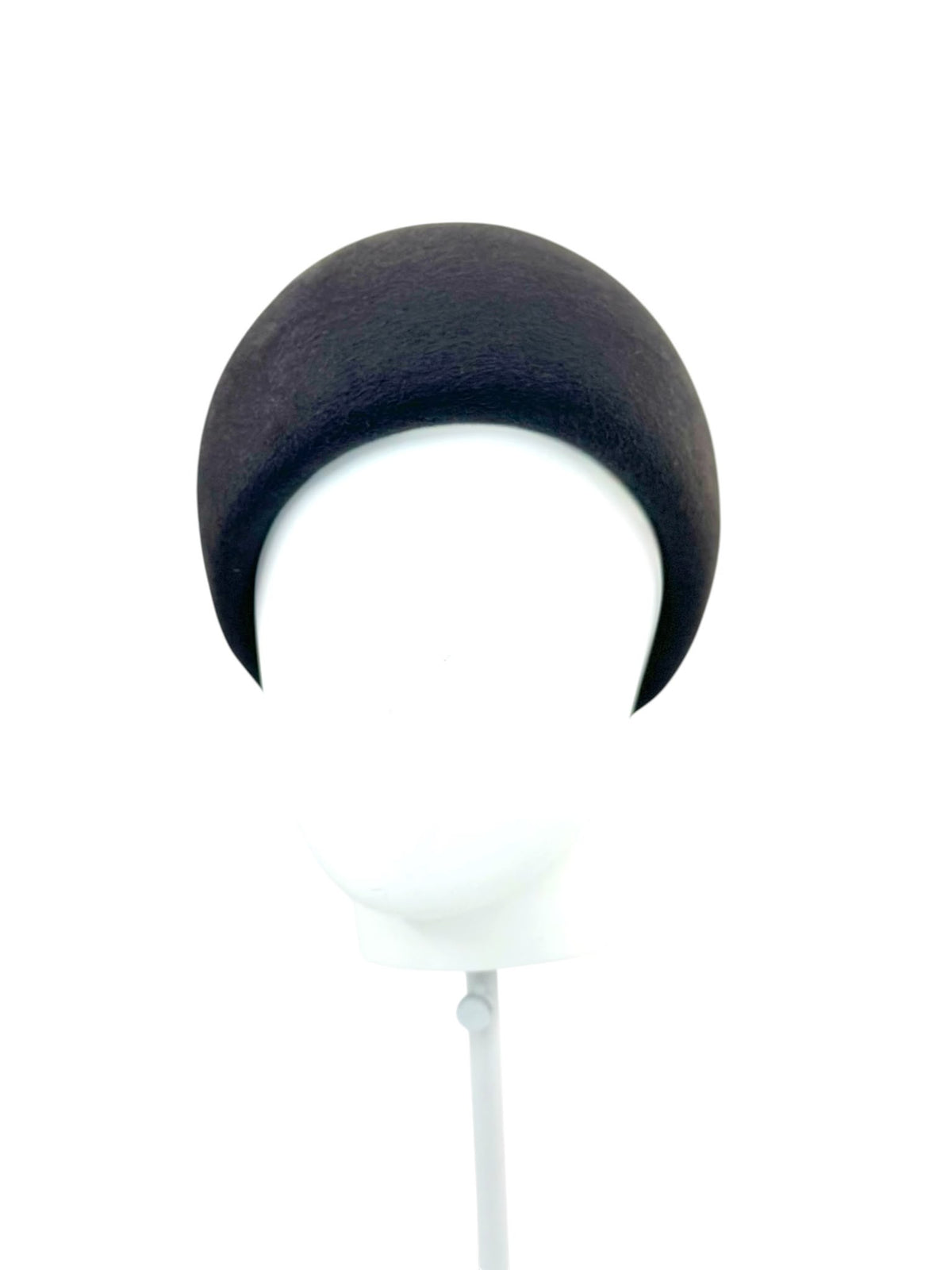
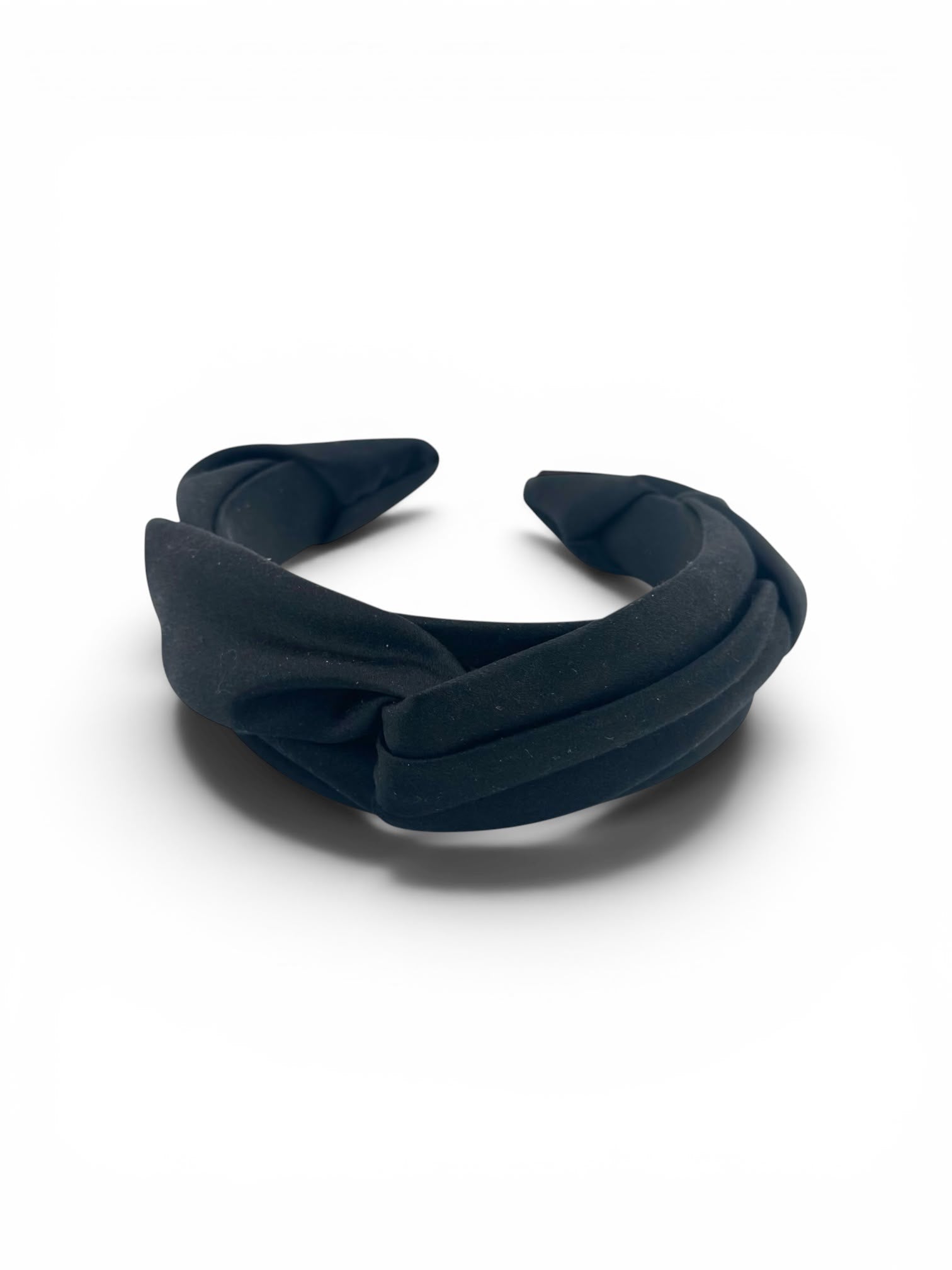
A memorial held months later is usually lighter in tone than the funeral was, and a celebration of life is often explicitly not sombre. Read the invitation. If it asks for colour, wear colour. If it says nothing, dark and simple is still safe, and a headband or small headpiece suits a hall or a garden better than a formal hat.
Religious and cultural differences
Some of this is settled, some varies by family.
- Church of England and Catholic services. Women may cover their heads and it passes without comment. Men remove hats inside the church.
- Jewish funerals. Men cover their heads and a kippah is offered at the door. Married women often cover their hair, and a plain dark hat or scarf is welcome for visitors.
- Muslim funerals. Women cover their hair with a plain scarf and dress modestly, arms and legs covered. A decorative headpiece is out of place.
- Sikh funerals. Everyone covers their head in the gurdwara and coverings are provided.
- Hindu funerals. White is the traditional colour of mourning in many Hindu families rather than black. Ask which the family is keeping to.
Practice varies more between families than between faiths, so ask whoever is arranging the service rather than guessing from a website.
Fit and comfort through a long service
A funeral is a long stand, and people will embrace you. A piece that sits back on the head survives that, while a wide brim catches on shoulders and blocks the view in a full pew. Measure your head once, properly, using the method on the size and fit page, and take the larger size if you are between two.
Timing, and what is possible at short notice
Everything in the funeral collection is hand-made in London and held in stock. Delivery within the United Kingdom takes 7 to 10 working days, with no express service. A piece blocked to your measurement, or matched by hand to a coat you own, takes one to four weeks. If the service is sooner, write to the atelier before you order and Monika will tell you plainly what can be done.
Questions
Do I have to wear a hat to a funeral?
No. A hat is a personal choice at a British funeral and most people at a service are bare-headed. You see them most often on the family closest to the person who died and at traditional church services. If you are unsure, ask whoever is arranging the day.
Does a funeral hat have to be black?
Black is always correct and still the most common choice. Navy, charcoal, anthracite and deep burgundy are all accepted. What matters more than the shade is the finish, so choose something matte and plain over anything that catches the light. If the family has asked for a colour, wear that.
Can anyone wear a veil to a funeral?
Anyone can, and nobody will stop you. Traditionally a face veil belonged to the widow and the closest women in the family, and it still reads that way. If you are immediate family it is entirely appropriate. A friend or a colleague may find a plain dark hat easier.
Is a funeral fascinator appropriate?
A plain dark headpiece is fine and often more practical than a hat. Avoid anything built for a race day: bright colour, feathers, sparkle or a shape that sits high and draws the eye. A small black headband, a satin bow or a birdcage veil on a comb all read correctly.
How quickly can something be made?
Pieces held in stock are dispatched from the London atelier, and UK delivery takes 7 to 10 working days with no express service. A piece blocked to your own measurement takes one to four weeks. If your date is closer, write before you order and we will tell you honestly what is possible.
See the funeral collection or commission a piece matched by hand to a colour you own.